
Biosphere-Atmosphere Interactions
How vegetation dynamics influence and respond to climate through biogeophysical and biogeochemical feedbacks.
We investigate Earth system processes and global change to provide scientific evidence for climate mitigation, adaptation, and sustainable development.

How vegetation dynamics influence and respond to climate through biogeophysical and biogeochemical feedbacks.

Machine learning, deep learning, and explainable AI for climate data reconstruction, risk detection, attribution, and prediction.

Satellite remote sensing, ground observations, and Earth system models for global environmental change.
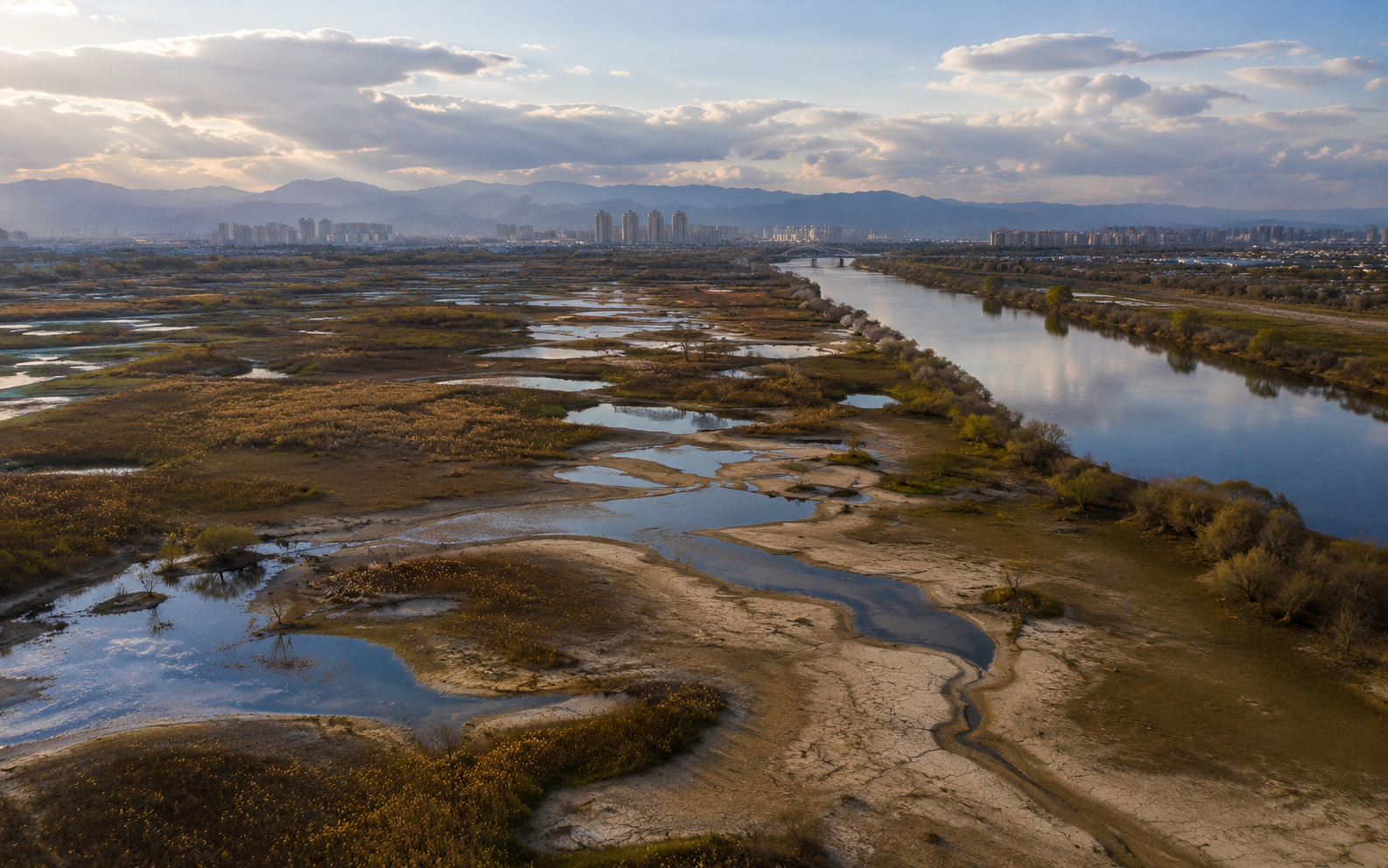
Quantifying climate impacts on terrestrial ecosystems, hydrology, and human systems.
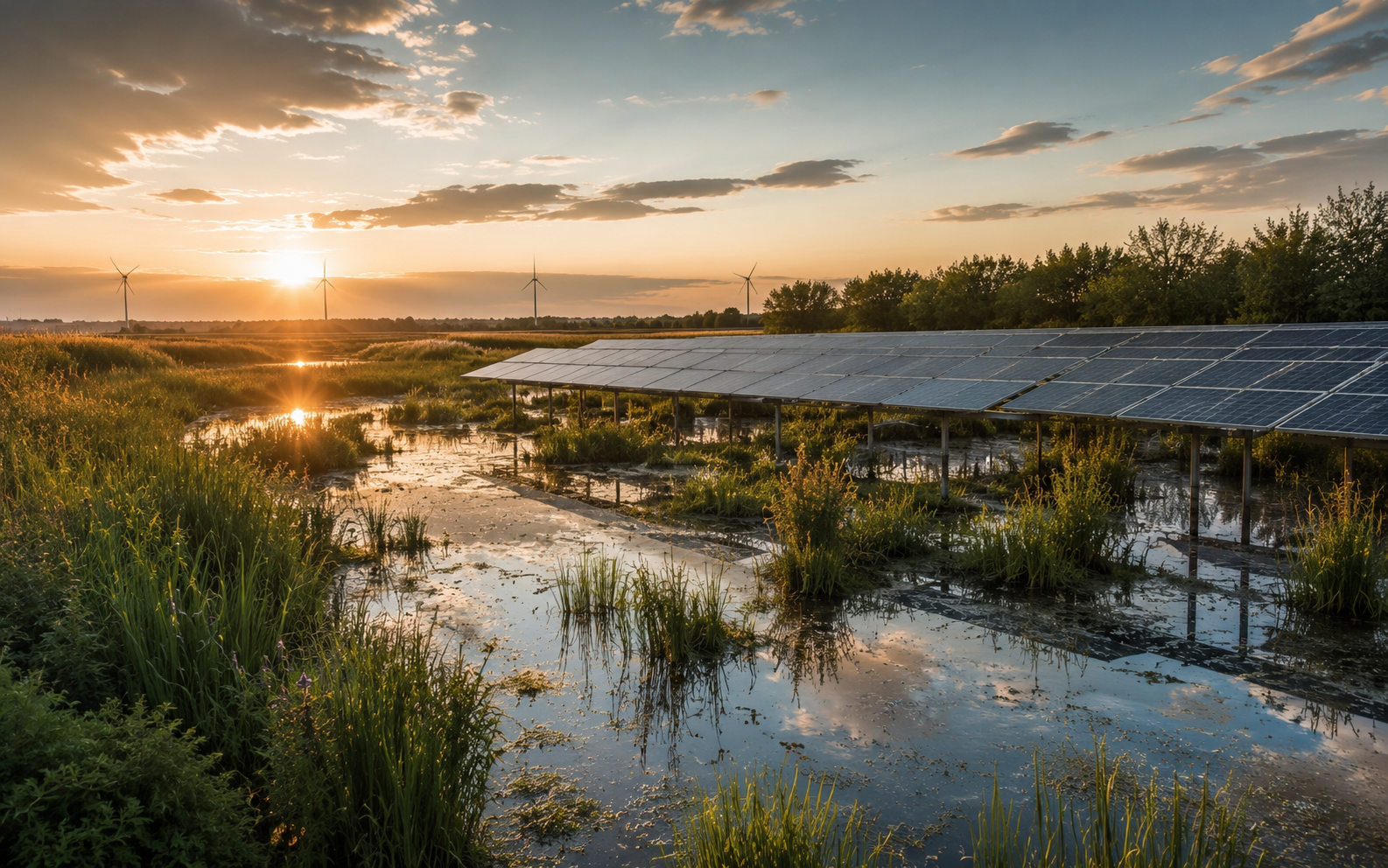
Forestation, wetland restoration, forest management, and renewable energy pathways.
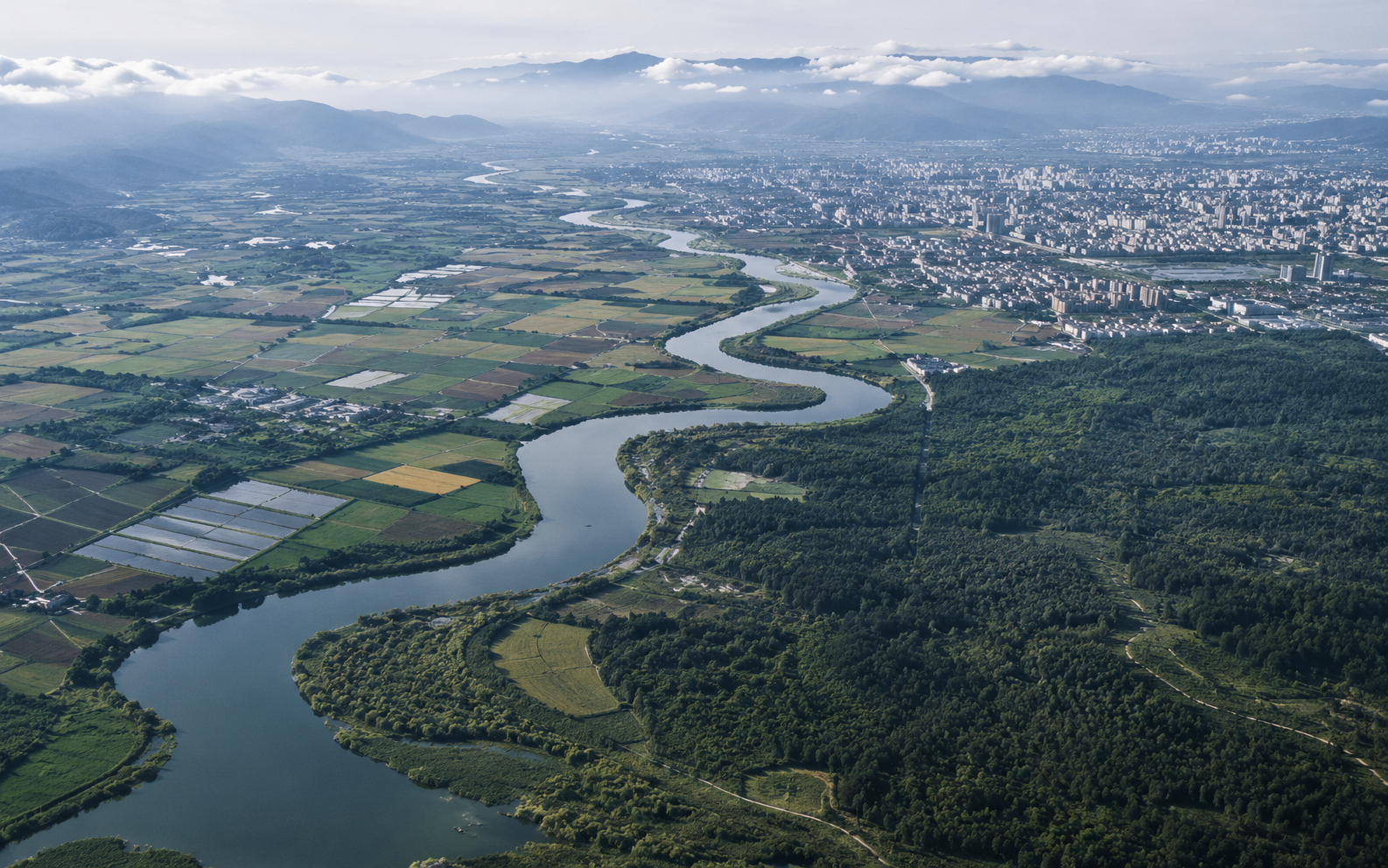
Multi-source satellite imagery for forests, urbanization, agricultural expansion, and environmental consequences.